Lessons from Stockholm
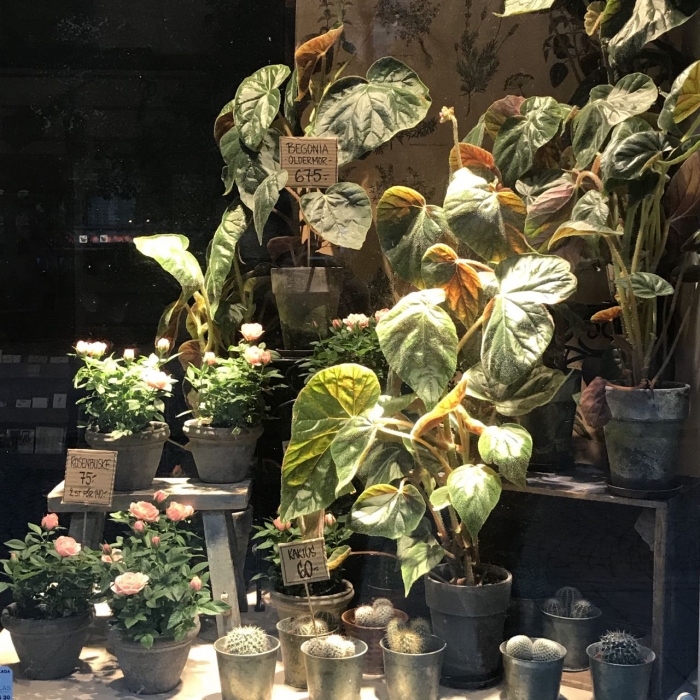
If your interest is plants, and your business is selling them, then plant shops are exciting places. So, when we (Howbert & Mays) visted the trade fair 'Formex' in Stockholm, we were naturally very happy to see that this is a city that takes its plants seriously. The first inkling of this was the quantity of small plant shops dotted everywhere throughout the city. We loved this pretty, atmospheric window of begonias and cacti glowing on the dark street.
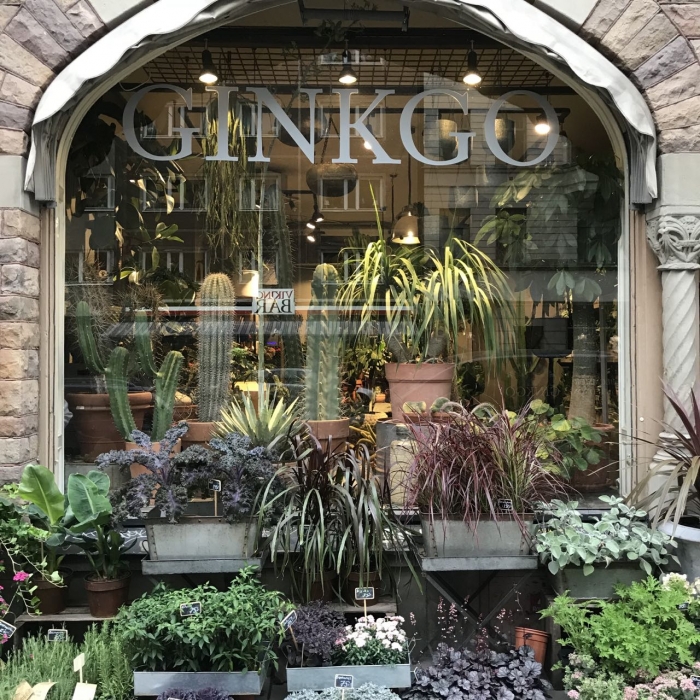
Almost next door to the hotel that we spent our first night in was this excellent shop, 'Ginkgo Blommer'. The proprietor was friendly, and showed us around a little when we told her we were in a similar business to hers. Ginkgo had some lovely mature cacti and was beautifully stocked and nicely crowded, giving that jungle atmosphere which made the shop feel exciting.
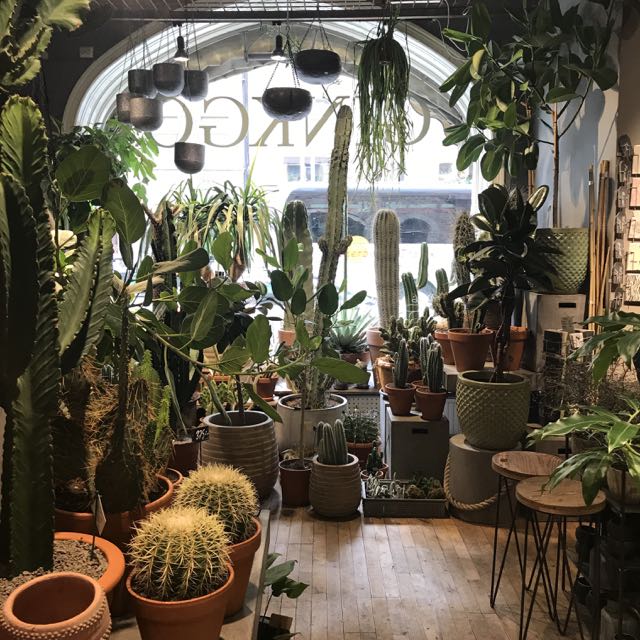
The interior of Ginkgo - great selection of pots, tall cacti, Ficus, hanging plants, interesting selection of pots.
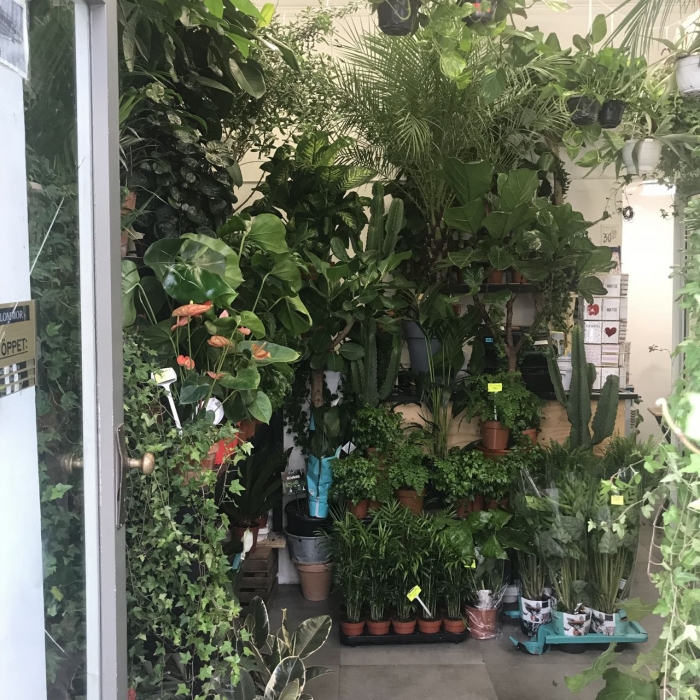
There are plant shops everywhere, and consequently most apartments appear to have plants in them.
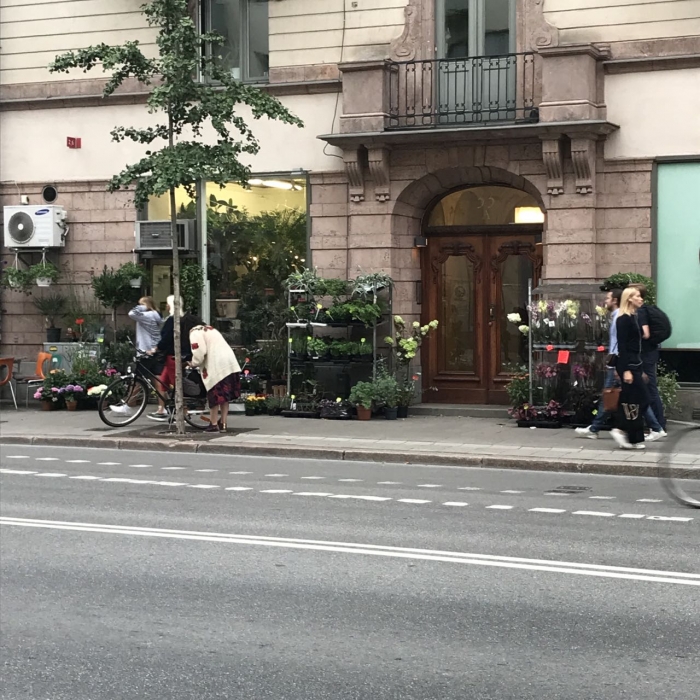
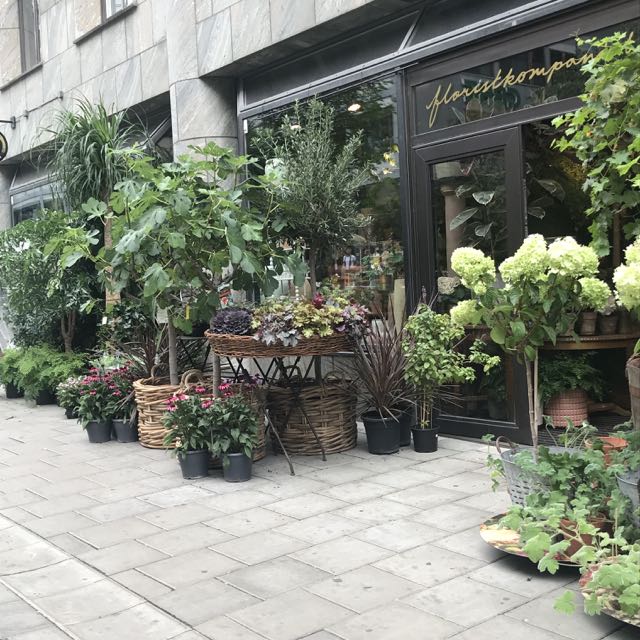
Another city centre plant shop, selling a mixture of indoor and outdoor plants. Maybe it's because they have such harsh, dark, cold winters that they take such delight in plants when they are able to, and maybe having plants inside their homes helps them stay connected with nature when the outdoors are so inhospitable.
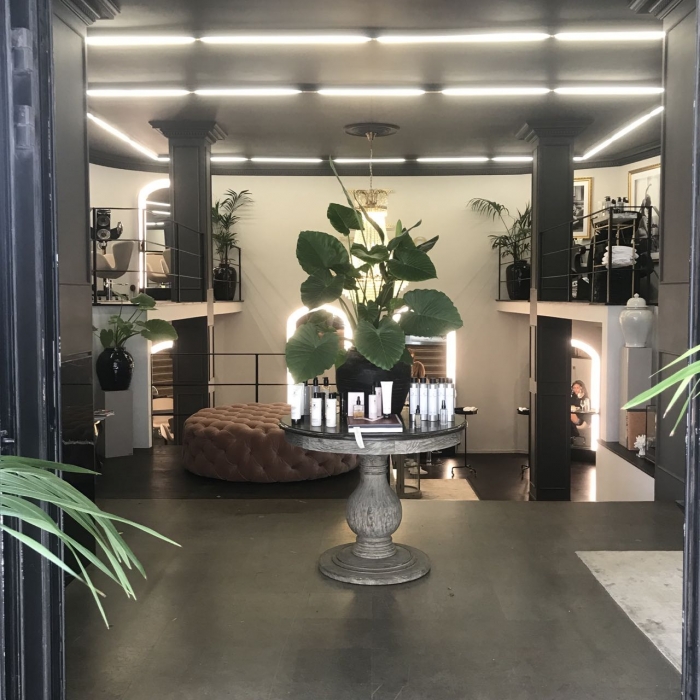
Many - or most - shops and businesses use plants are an essential part of the interior fit-out: in this case a hairdressers / beauty salon.
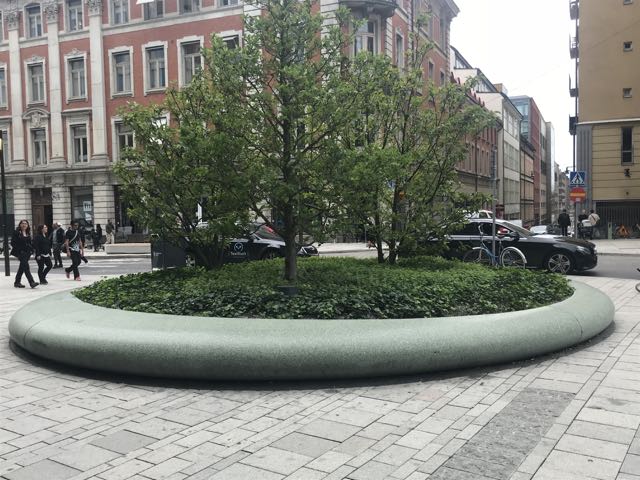
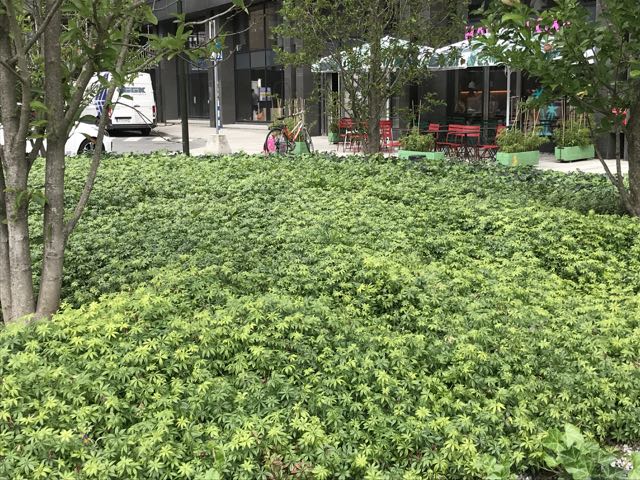
Subtle street planting of Magnolia, Gallium odoratum and Hedera, all contained by this beautiful pad of polished green terazzo. It's a very simple planting scheme, but very beautiful. It helps that it has been perfectly executed and is simply but well maintained.
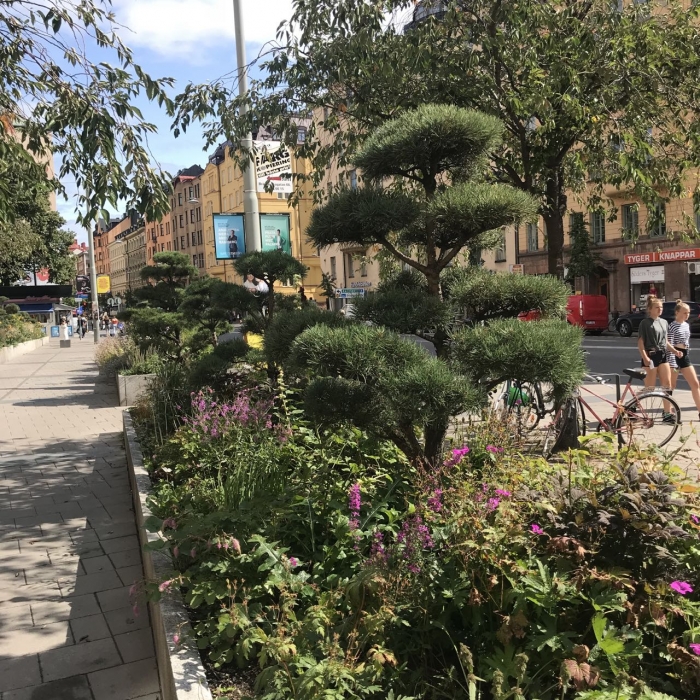
Another piece of street planting, and very differnt from the previous one. In this case it's cloud-pruned pines with grass and herbaceous underplanting.
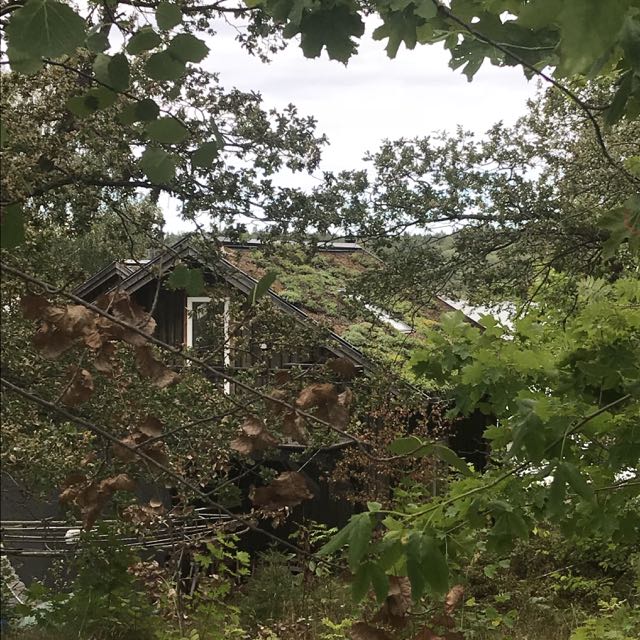
Out of the city, on one of the many islands, houses aim to blend in with the environment and to nestle themselves in amongst the trees. This one has a green roof to add to the illusion that it's part of the landscape.
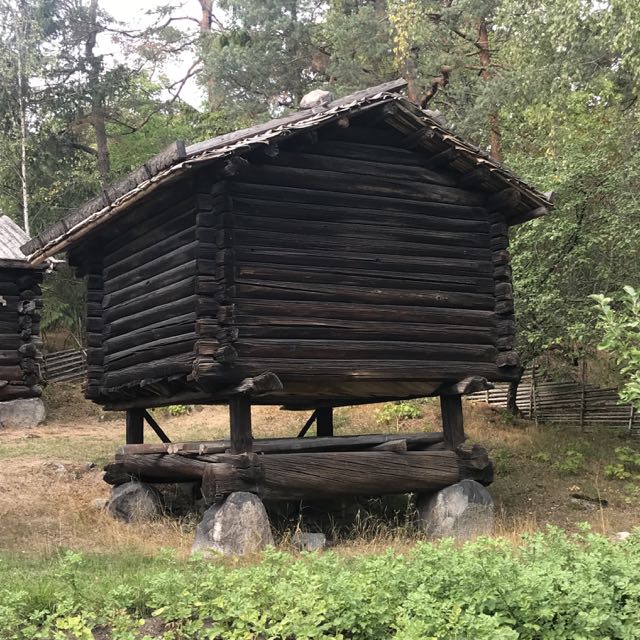
Going back a couple of hundred years, this small building has a 'light footprint' on the earth. The contours of the ground remain untouched, and the entire building rests of four boulders.
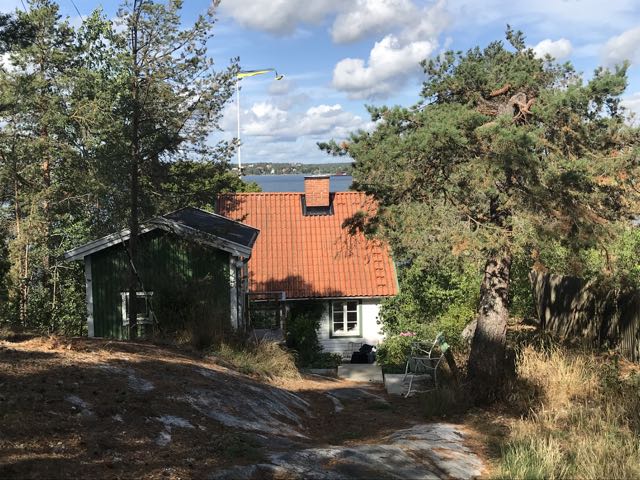
The house that we stayed in, on the island of Storholmen, was approached by walking over the exposed granite and through trees: no need for excavations or marked paths. The fact that there are no cars means that chunks of space don't need to be given to accomodating them. This has a hugely positive effect on the landscape.
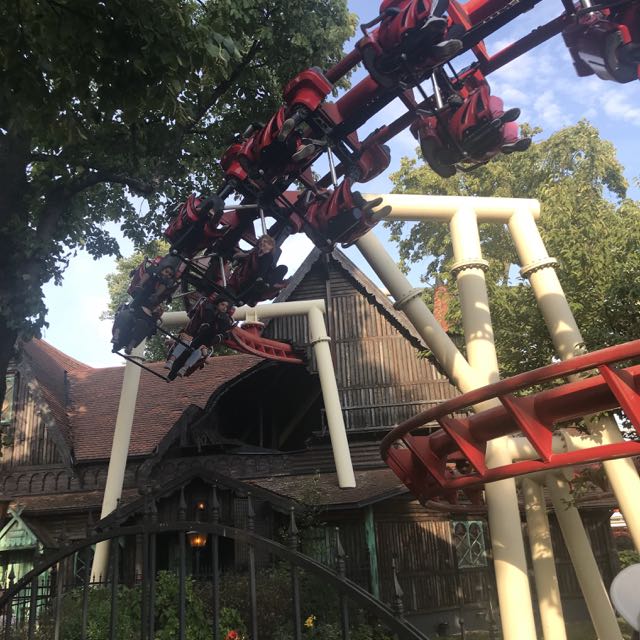
For a bit of pure pleasure, the Tivoli amusement park in the city centre is well worth a day. Not only are the rides brilliant - the whole place is immaculately maintained, from the 1950s archtecture to the wonderful planting. This roller-coaster works its way through mature trees, and throughout the park there are trees and all manner of greenery.
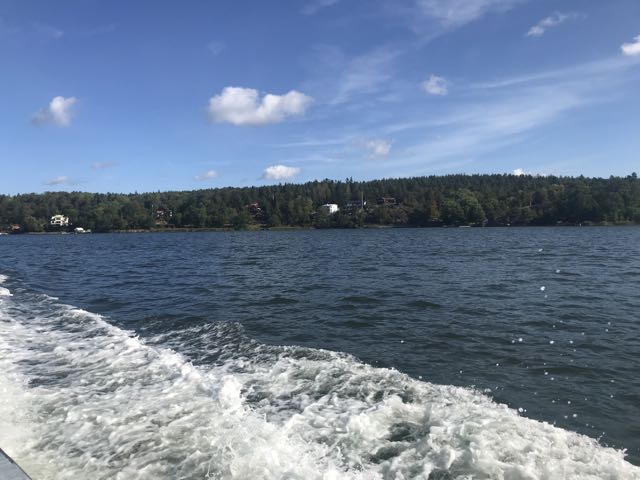
There are actually 8 houses in this photo (or even more, but they ared too well hidden). It seems to be understood that houses should blend into the environment, and that plants - mainly trees - are part of that environment. Beautiful modern houses with huge windows look over the water through trees or through pockets of unmanicured scrub. Compare this to Ireland, where trees are considered only for their negative attributes: they may fall, they shed leaves, they take light, they steal the view... Instead, turn this upside down to read: they create shelter, they provide leaf litter for a woodland understorey, they frame views, they in fact are the view, they mask other houses, they soak up flood water, they provided habitat for wildlife... We Irish have much to learn when it comes to siting our houses in the landscape. And if we cannot site them properly, we should at least consider how to plant around them to hide them successfully. This could change they way Ireland looked.